The Last Hundred Feet: A Calm Incall Arrival Checklist for 2026

Photo by Photo by Maxim Tolchinskiy on Unsplash on Unsplash
Nobody Talks About the Parking
Search a companion directory and you'll see a hundred polished photos, a handful of rates, maybe a line about parking being "available nearby." What you rarely see is the thing that actually shapes the first five minutes of an incall: whether you can get from your car to the door without feeling like you're improvising.
That's the gap this piece is about. Not the visit itself — the approach. In 2026, the listings and city guides worth your attention are the ones that treat logistics as part of the service, not as an afterthought you're supposed to figure out while idling in a loading zone.
Start With the Map, Not the Message
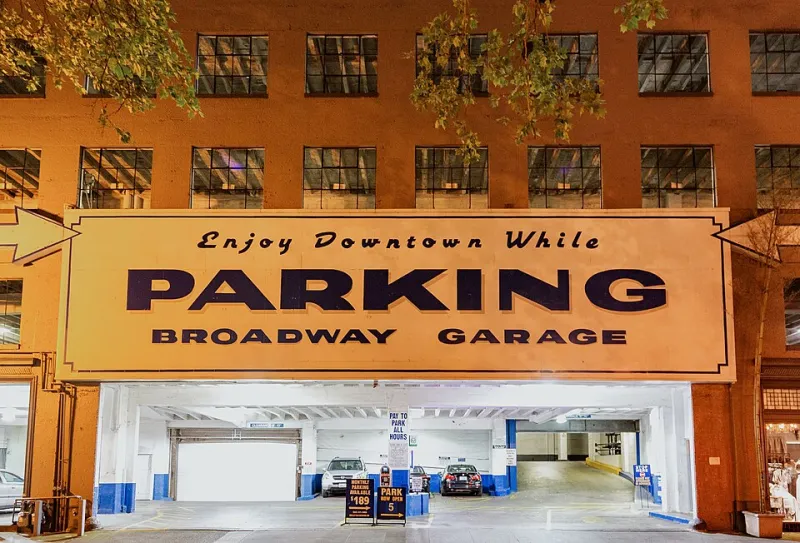
Before you text anyone, open the address in your maps app and do a two-minute read of the block. Is there a garage, a valet, a street of metered spots that empties out after 6 p.m.? Is the building on a one-way with a confusing entrance? US downtowns are full of hotels where the front door faces a different street than the parking deck, and a lot of the anxiety people describe on arrival is really just that: a five-minute navigation puzzle nobody warned them about.
A city guide that respects your time will name the parking situation in plain language — not "convenient access," but "use the garage on the north side, tell the attendant you're visiting, not staying." If a profile or guide is vague about something as mundane as parking, treat that as a small signal about how it handles bigger questions.
The Confirmation Text Is a Handshake
It's tempting to fire off "Here!" from the car and wait. A calmer rhythm: send a short confirmation about ten to fifteen minutes out, stating where you are and what you're driving. Something like "Leaving the garage now, silver sedan, ten minutes." It's not overly formal — it's just the text equivalent of knocking instead of walking in.
Good etiquette runs both ways. A well-run incall will have already told you when to check in, whether to text on arrival or after parking, and roughly how long a response takes. If you're three unanswered messages deep and guessing, you're not being paranoid; you're noticing that the process wasn't designed.
Lobby Etiquette Is Mostly About Being Boring
Here's the unglamorous truth about lobbies: the correct way to behave in one is to look like a person with an ordinary reason to be there. Don't hover by the elevator bank staring at your phone for eight minutes. Don't ask the front desk which unit is which if you were given a room number. Don't strike up a conversation with the doorman out of nerves.
Sit if there's seating. Check your phone like a normal human waiting for a friend. Keep your voice at the level you'd use in a coffee shop. If a building requires a guest sign-in, follow it — a companion working out of a hotel or apartment building has thought about this and will have told you in advance whether you're signing in, being buzzed up, or meeting at a specific point.
This is also where privacy gets handled. A listing that asks you to loiter, to use a side entrance with no explanation, or to give a name that isn't yours at a front desk is asking you to take on risk it hasn't bothered to manage. In 2026, the better-run directories lean toward clear, boring, above-board access instructions — because boring is what stays quiet.
Elevators, Hallways, and the Art of Not Rushing
Ride the elevator the way you'd ride one in an office building. Press your floor, stand where you'd normally stand, let other people get off first. If someone else is going to the same floor, let them walk ahead. It sounds fussy written down; in practice it's just ordinary courtesy, and it's the single easiest way to avoid the awkward hallway shuffle that makes a first visit feel clumsy.
Two small habits pay off. First, silence your ringer before you reach the floor — a phone blaring a podcast in a quiet corridor is the loudest thing in the building. Second, take ten seconds in the hallway to arrive composed rather than out of breath. The door opens better when you're not still fumbling with your keys.
What the Listing Should Have Told You Already
Before you ever get into this sequence, a trustworthy profile or city guide should have answered most of the following without you asking twice:
- Where to park, and whether it's free, validated, or metered.
- How to enter — buzzer, front desk, keypad, or a meet-in-the-lobby arrangement.
- When to text, and what kind of reply time is normal.
- How long the visit runs, including whether the clock starts at the door or the greeting.
- What the exit looks like, which is the most overlooked line on any listing.
That last one matters more than people admit. A calm visit includes a calm leave — knowing whether to walk out the front, take the service elevator, or simply say goodbye and go. Guides that mention the exit are usually the ones that have thought about the whole experience rather than just the opening photo.
The Signal Behind the Small Print
None of this is dramatic. It's parking, buzzers, and elevator rides. But the way a companion, a listing, or a city guide handles those hundred feet tells you something real: whether they've pictured you as a person arriving with a car, a schedule, and a need for discretion, or as an appointment slot with a credit card.
Bayan Arkadaş has always been about the friendly, unhurried side of this world — the tea-house courtesy rather than the hard sell. In 2026 that courtesy starts long before the door opens. It starts in the garage, on the sidewalk, and in the two-line text that says "ten minutes out." Get those right, and the rest of the evening has room to be what it's supposed to be.