After the Last Train: Building a Calmer Late-Night City Guide

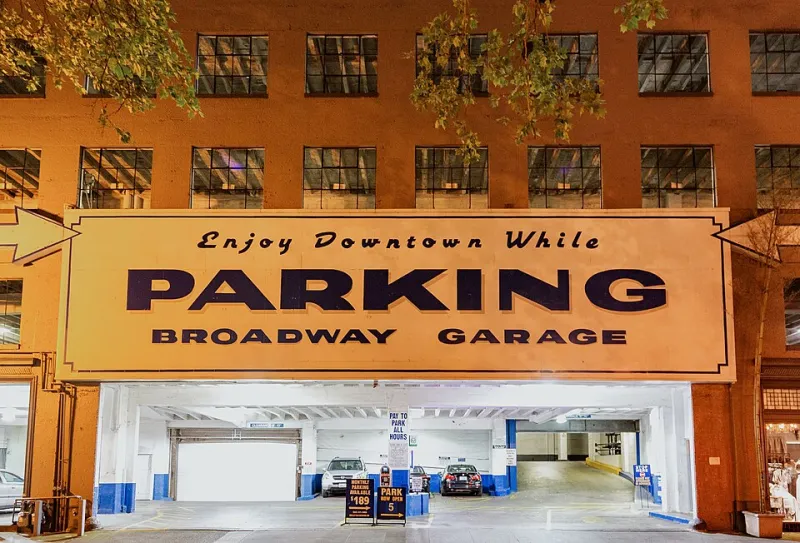
Photo: Paolostefano1412, CC BY-SA 3.0, via Wikimedia Commons
At 11 p.m., a downtown changes its personality. The dinner crowd thins out. The train platforms get quieter. The useful questions get smaller and more specific: Where do I stand? Which café is still open? Is this the right side of the building for a pickup? A companion directory that treats late-night information seriously will answer those questions without turning the city into a thriller.
That is the idea behind a calmer late-night city guide. Not a list of warnings. Not a fantasy of danger and glamour. A practical layer of information that helps companions and clients move through a US downtown with fewer surprises and better manners.
The 11 P.M. Test
Most city guides are written for noon. They point to museums, lunch spots, and scenic walks. At 11 p.m., the test is different. Can a reader find the main entrance of a hotel without circling the block? Does the guide say which train line stops running first? Is there a late-night diner where someone can wait for ten minutes without feeling out of place?
A good late-night guide passes the 11 p.m. test by being concrete. 'The last train on this line usually leaves around 12:20 a.m.; check the transit agency day-of' is useful. 'Stay safe out there' is not. The first gives a reader a decision. The second gives them a slogan.
Last-Train Thinking
Last-train thinking is not panic. It is planning. US downtowns have different rhythms: some transit systems run late, some switch to buses, some go quiet earlier than visitors expect. A directory should not pretend to be a live timetable. It can, however, publish a 'last train' field with a date stamp and a link to the official source.
A useful entry might say: 'Typical last departures: Red Line around 12:30 a.m., Blue Line around 12:10 a.m. Verify on the transit app before you go.' That is calm and actionable. It also avoids the fictional certainty of a guide that has not been updated since spring.
If someone misses the last train, the guide can name the next move without drama: the late-night bus corridor, the rideshare pickup zone, or the 24-hour café where they can reset. The point is not to promise safety. The point is to reduce the number of decisions made in a rush.
Pickup Points That Feel Like Decisions, Not Dares
A pickup point is a small piece of etiquette. The best ones are well lit, easy to describe, and not in the middle of a residential block. A hotel lobby entrance, a corner with an active storefront, a marked rideshare zone, a station exit with a taxi line: these are places where a person can stand without looking like a question mark.
Directories can help by adding a short pickup note to each listing: 'Use the main lobby on 5th Street. Do not wait at the garage on the side street.' 'The rideshare pin is behind the building; use the 2nd Avenue zone.' 'There is a bench by the pharmacy, but it is better to wait inside the café until the car is two minutes away.'
These notes are not glamorous. They are the kind of detail that makes a late-night booking feel less improvised. They also protect the people who live nearby. A good pickup point is not just convenient for the client. It is courteous to the block.
Residential Edges and the Courtesy of Quiet
Many US downtowns have residential edges: apartment buildings, condos, townhouses, and side streets that look commercial by day and domestic by night. A companion directory should treat those edges with care. If a listing is in a residential building, say so. Add a quiet note. 'Residential entrance. Keep voices low. No lingering outside.'
This is etiquette, not fear. The neighbor who has to be at work at 6 a.m. is part of the city too. A late-night guide can remind readers that a discreet arrival is also a quiet arrival. That means not idling in a loading zone, not blocking a stoop, and not treating a lobby as a waiting room unless the building allows it.
The 24-Hour Café as a Social Anchor
There is a special kind of US downtown institution: the 24-hour diner, the late-night donut shop, the café that stays open until 2 a.m., the convenience store with a few stools by the window. These places are not just food stops. They are social anchors. They give a late-night visitor a neutral place to wait, charge a phone, use a restroom, and reset the plan.
A city guide can list them plainly: name, hours, neighborhood, and a note about whether they are good for a short wait or a full meal. 'Open 24 hours, bright interior, counter seating, good for a ten-minute pause.' That is more useful than a vague line about 'late-night options.'
Do not call a café a safe haven. That is too much weight for a business to carry. Call it what it is: a lit, open, staffed place where a person can make a phone call and decide what comes next.
Rideshare Manners After Midnight
Rideshare etiquette gets fuzzy after dark. The guide can sharpen it. Be at the pin. Do not keep the driver circling. Confirm the name and plate before getting in. Sit where you are comfortable. Share the trip with someone if that is your habit. Keep the conversation light or quiet, depending on the mood.
For companion listings, a small rideshare note can prevent a lot of confusion: 'Use the 2nd Avenue pickup zone. The pin sometimes jumps to the alley; correct it before the driver arrives.' That is the kind of local knowledge a directory can actually own.
What a Directory Should Actually Publish
A late-night city guide should be a set of fields, not a sermon. Publish the late-night hours that matter. Publish typical last departures with a date stamp. Publish pickup notes, quiet-zone notes, café anchors, and rideshare zones. Publish a contact method that works after 10 p.m.
Update it monthly. Mark the update. If a café closes early now, change it. If a station entrance is closed for construction, say so. The credibility of a city guide is built on small corrections, not grand claims.
Calm Is the Feature
The best late-night guide does not make the city sound more dangerous than it is. It makes the city easier to read. It tells a reader where to stand, how to be quiet, and how to get home. It treats 11 p.m. as a time with its own manners, not as a test of nerve.
That is the hospitality behind Bayan Arkadaş: warmth with clear edges. A late-night city guide can have the same tone. Not a warning label. A welcome mat with the porch light on.