Parking, Pours, and Quiet Exits: The City-Guide Details That Earn Trust
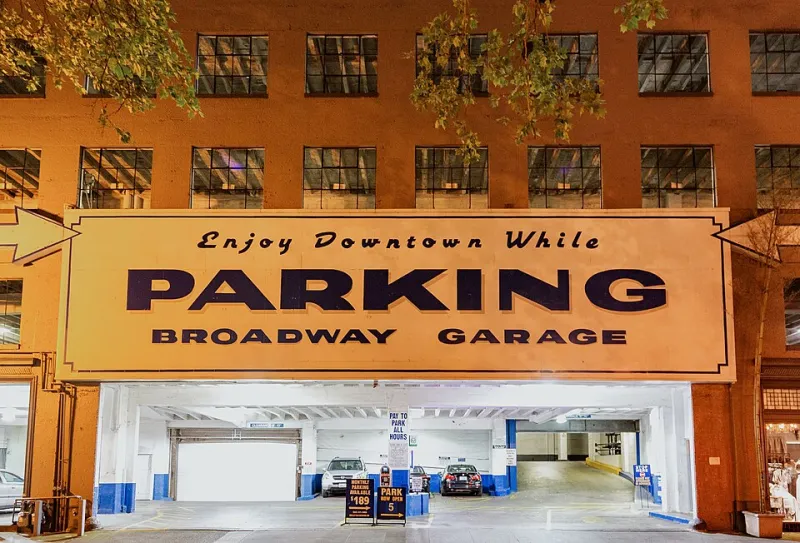
Photo: Tony Webster, CC BY 2.0, via Wikimedia Commons
Most adult city guides read like travel blogs with the serial numbers filed off. They name the trendy neighborhood, mention a cocktail bar, and call it local knowledge. That is not enough. If a companion directory is going to help anyone actually meet someone, the guide has to answer the boring questions: Where do I put the car? What is open after 10 p.m.? Which entrance is quiet? How do I leave without making it weird?
At Bayan Arkadaş, we think logistics are part of hospitality. Hoş geldiniz is not only a phrase at the door. It is the parking note, the coffee recommendation, the clear exit. In 2026, US readers are comparison-shopping across listings and cities. The guides that earn trust will be the ones that sweat the small stuff.
1. Parking that does not blow the mood
A date should not begin with twenty minutes of circling. A good city guide tells you whether the listing is near a garage, whether street parking is realistic, and whether the blocks between the car and the door are well lit. That is not glamorous. It is useful.
Take Austin. A downtown listing might be walkable from a handful of garages, but game-day traffic can turn a ten-minute drive into a forty-minute lesson in patience. A guide that says “use the garage on Brazos and give yourself a buffer” is doing more for you than a paragraph about the city’s live-music reputation. In Chicago, winter changes the math entirely. A guide that mentions which side of the street gets plowed first, or which garage has a heated lobby, is not being fussy. It is being realistic.
The test is simple: does the guide help you arrive calm? If not, it is a brochure, not a guide.
2. Late-night coffee and a place to reset
Not every date starts at 8 p.m. Some start after a shift, after a flight, or after the kind of day that makes a quiet table more appealing than a loud room. A useful guide names a late-night coffee spot or two that is actually open, not a chain that closes at 9.
Seattle is good at this. The city has plenty of coffee mythology, but the practical question is which spots stay open late enough to matter and which ones have seating that does not feel like a hallway. A guide that says “the place on Pine is open until midnight and has a back table” is giving you a small piece of local hospitality. Portland works the same way. The point is not to build an itinerary. The point is to give the date a soft landing.
This is where adult city guides often fail. They assume the only relevant locations are bars and hotels. Coffee is not a consolation prize. It is a reset button.
3. Discreet entrances and lobby etiquette
Discretion is not secrecy. It is manners. A good guide can tell you which entrance is quiet, whether the lobby has a front desk, and whether you should wait for a text before coming up. It can do this without turning the listing into a spy novel.
Miami and New York are obvious examples, but the principle travels. In a building with multiple doors, the guide should say which one to use. In a hotel with a busy lobby, it should say whether to sit in the lounge or wait outside. In a residential building, it should say whether the buzzer works or whether the companion prefers a heads-up text. These are small instructions, but they reduce awkwardness for both people.
A guide that leaves you guessing at the entrance has not finished its job. Discretion is part of the welcome.
4. Walkable blocks that actually connect
“Walkable” is one of the most overused words in city writing. A block can be walkable and still feel wrong at night. A good guide tells you not just the distance but the texture: whether the route is lit, whether there is construction, whether the crosswalk actually works, whether the stroll from the station is pleasant or a sprint past loading docks.
Boston is a useful case. A listing can be a short walk from a T stop and still involve a confusing rotary or a stretch with poor lighting. Philadelphia has the same issue in pockets. A guide that says “two blocks from the station, but use the north exit” is worth more than a map pin. It respects your time and your comfort.
Walkability is not just about convenience. It is about whether the date starts with a small sigh of relief or a small spike of stress. The guide should know the difference.
5. Easy exits and clear goodbyes
This is the detail almost every guide skips, and it is the one that matters most. How do you leave well? Where is the rideshare pickup? Is there a back way out? Does the companion prefer a text after you are safely in the car? An exit plan is not an insult to the date. It is part of making the date feel safe in the first place.
Los Angeles makes this concrete. A rideshare pickup zone can be the difference between a clean goodbye and a fifteen-minute shuffle around a parking structure. Chicago’s downtown one-way grid can turn a simple exit into a loop. A guide that names a pickup corner or a garage level is not being paranoid. It is being considerate.
Clear exits also protect the mood. Nobody wants to end a good evening with a logistical argument. The companion who plans the goodbye is not rushing you out; they are making the whole arc feel finished.
Why this belongs in an adult directory
Trust is built in the small print. A guide that mentions parking, late coffee, discreet entrances, walkable routes, and easy exits is telling you something about the people behind the listings: they have thought about the whole experience, not just the first hello. That is hospitality. It is also good editing.
In 2026, US readers have plenty of options. The guides that stand out will not be the ones with the longest list of nightclubs. They will be the ones that answer the questions you would otherwise have to text someone at the last minute.
A quick checklist before you book
Does the guide tell you where to park? Does it name a late-night place to reset? Does it explain the entrance? Does it describe the walk honestly? Does it give you a clean exit? If the answer is yes to most of those, you are reading a guide that treats logistics as part of the welcome. If not, keep looking. The unsexy details are often the ones that make a city listing actually usable.