After the Profile Grid: Seven City Signals That Make a Companion Directory Genuinely Useful in 2026
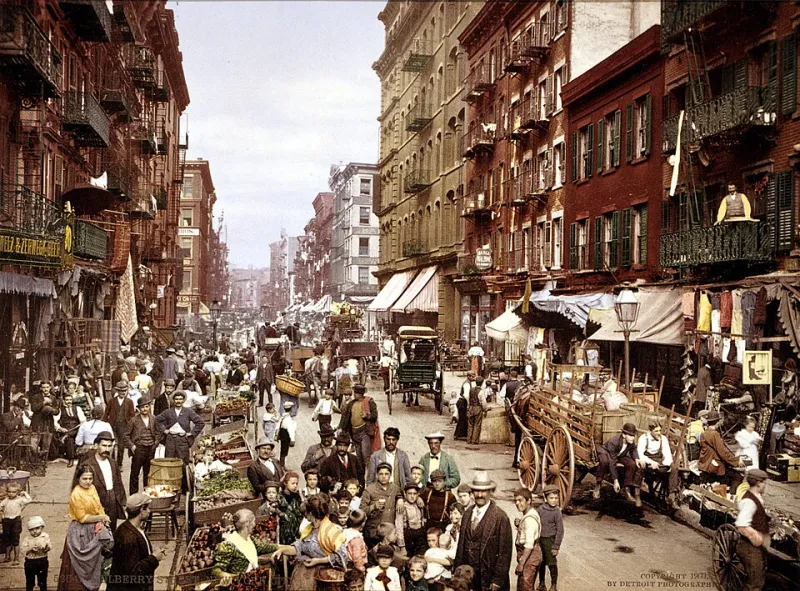
Photo: Detroit Publishing Co. , publisher, Public domain, via Wikimedia Commons
Most companion directories look impressive at first glance. Then the profile grid ends, and the reader is left with the same practical questions: Which part of town am I actually going to? Is the hotel bar a quiet place to meet or a lobby with a hundred eyes? Where can two adults eat without feeling like a display? How do I get across the city without burning an hour and a half? At Bayan Arkadaş, the premium promise should not stop at the listing. The useful part begins after it.
In 2026, US readers have plenty of directories to scroll. What they do not have is unlimited patience for copy-pasted city pages that mention the same three landmarks and call it local knowledge. A genuinely useful city guide does a quieter job: it translates the mood, logistics, and social texture of a place. Here are seven city-context signals that make the difference.
1. Neighborhood notes that go beyond a zip code
A neighborhood name is not a guide. Readers want to know how an area feels at the hour they will actually be there. Is it a business district that empties out after 8 p.m.? Are the side streets well lit? Is rideshare pickup easy or a maze of one-way blocks? Are there late-night coffee shops, drugstores, or hotel lobbies nearby? None of this needs to read like a crime blotter or a vibe board. It needs to be specific, calm, and current.
For a companion directory, this matters because adult social plans often happen outside ordinary tourist hours. A useful city guide says, plainly, that downtown Denver on a Tuesday is not the same as downtown Miami on a Saturday. That kind of note helps readers make better choices without pretending the guide can guarantee anything.
2. Hotel-bar etiquette for real US properties
US hotel bars are not one thing. A lobby bar in downtown Chicago at 6 p.m. is a different room from a rooftop in Los Angeles at 10 p.m. Useful guides explain the small stuff: whether the bar is open to non-guests, where the quiet seats tend to be, how dress codes actually work in practice, and whether the space is better for a low-key first meeting or a quick drink before dinner.
The point is not to turn readers into spies. It is to reduce awkwardness. A good hotel-bar note tells you whether you will be shouting over a DJ, whether the lighting is flattering or forensic, and whether the bartender is likely to be patient with a table that needs a few extra minutes. That is ordinary courtesy dressed up as local knowledge.
3. Discreet dining is a city skill, not a generic promise
Every directory claims to understand discretion. Few explain what it looks like in a particular city. Discreet dining is often about acoustics, table spacing, service style, and timing. A loud open kitchen can be fun; it is not always the right room for a first meeting. A neighborhood bistro with booths, a hotel restaurant at an off-peak hour, or a late lunch spot with a relaxed pace may work better than the busiest place on Saturday night.
US cities also have their own dining rhythms. Manhattan at 7 p.m. is a different experience from Austin at 7 p.m., and Seattle's early dinner crowd is not Miami's. A useful guide names the difference instead of promising 'privacy' in the abstract. Bayan Arkadaş readers do not need a fantasy; they need a table where two adults can talk without projecting their whole evening to the room.
4. Transport tips that protect time and privacy
Bad transport planning ruins more evenings than bad conversation. In US cities, the practical questions stack up fast: Is parking validated? Is the garage cashless? Does rideshare surge pricing hit after the game? Is the last train at a reasonable hour? Is the walk from the station to the venue comfortable at night? These are not glamorous details, but they are exactly the details that make a directory feel written by someone who has actually been outside.
A good city guide also understands that privacy and transport are linked. A reader may prefer a rideshare drop-off a block away, a hotel entrance with a quieter side door, or a venue near a main road rather than deep in a residential grid. The guide does not need to over-explain. It just needs to give enough context for readers to plan like adults.
5. Nightlife rhythms vary by city and by night
Tuesday in Austin is not Saturday in Miami. Wednesday in Chicago's River North is not Friday in Atlanta. City guides that treat 'nightlife' as a single block of time miss the point. Adult readers benefit from knowing when a neighborhood is lively, when it is dead, and when it is somewhere in between. They also benefit from knowing which nights are local nights, which are tourist nights, and which are best avoided if the goal is a calm drink rather than a crowd.
This is where local voice matters. A directory can list a hundred companions, but if its city pages sound like they were written by someone who has never waited for a rideshare outside a venue at midnight, readers notice. Bayan Arkadaş should sound like a brand that understands the difference between a listing and a night out.
6. The small practical details: parking, payment, and timing
The unglamorous details are often the most useful. Does the bar take card? Is there a minimum spend? Do restaurants in the area close early on Sundays? Is the parking garage attached to the hotel, or three blocks away with a confusing payment app? A city guide that answers these questions saves readers from the low-grade stress that turns a good plan into a rushed one.
Timing deserves its own note. US cities are not equally forgiving of late arrivals. A 15-minute delay in one downtown can be nothing; in another, it can mean missing a reservation or circling a full garage. A premium directory should treat punctuality as part of the service culture, not as a decorative virtue.
7. A clear local voice, not copy-pasted filler
The final signal is tone. Does the city guide sound like it was written for readers in 2026, or like it was assembled from old tourism brochures and generic SEO phrases? A clear local voice uses plain language, admits limits, and avoids pretending every neighborhood is equally convenient for every plan. It also respects the adult audience enough to skip the wink-wink filler and get to the useful part.
Bayan Arkadaş is strongest when the listings and the city context work together. The profile gives readers a starting point. The guide gives them the confidence to plan a meeting, choose a room, move through the city, and keep the evening calm. That is what makes a companion directory actually useful in 2026: not more grid, but better context.